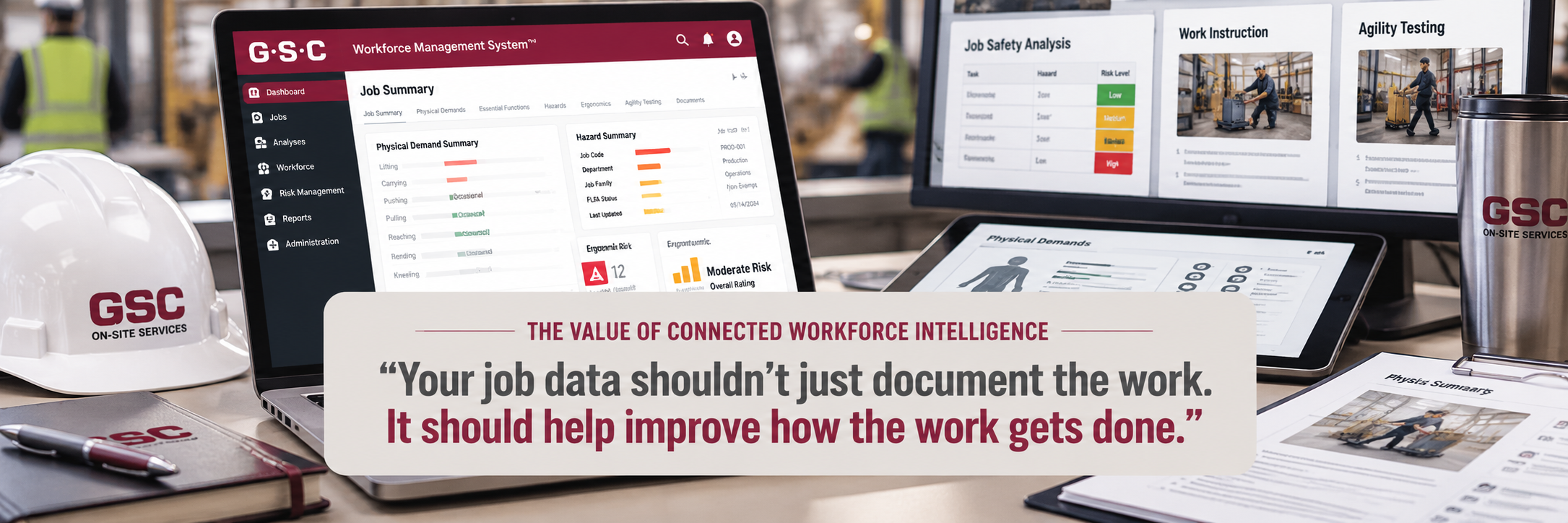

WORKFORCE INTELLIGENCE BUILT AROUND YOUR BUSINESS
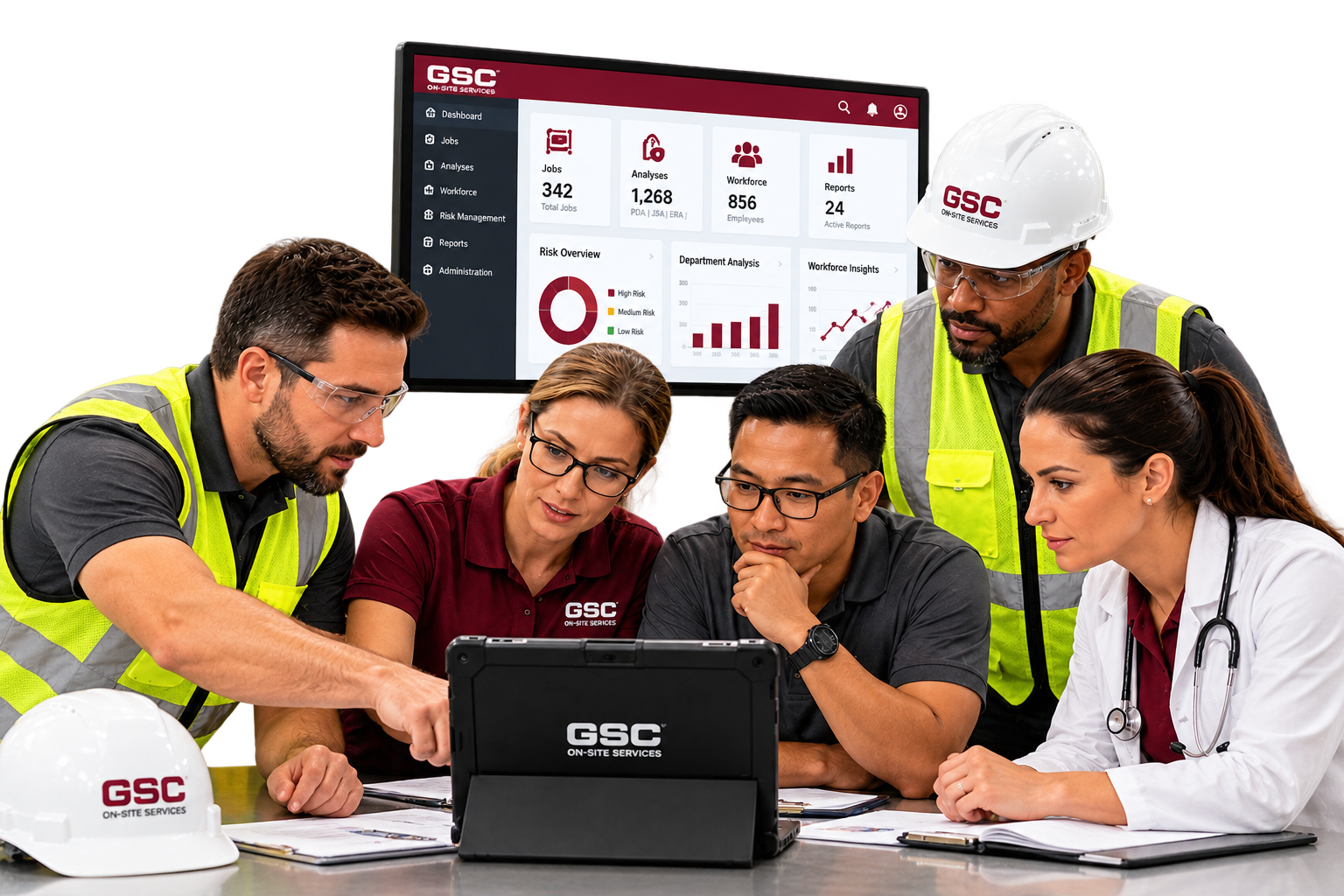
GSC connects job demands, workplace hazards, essential functions, and workforce information in one centralized system—turning disconnected data into actionable intelligence that supports safer workplaces, smarter decisions, and stronger business performance.
Combining 40+ years of injury prevention expertise with proven methodology and technology, GSC helps HR, EHS, Safety, Operations, and Medical teams make faster, more informed workforce decisions.
One Job. Multiple Decisions. Connected Data.
A single source of job intelligence supporting the decisions your teams make every day.
More Than a Database. A Smarter Investment.
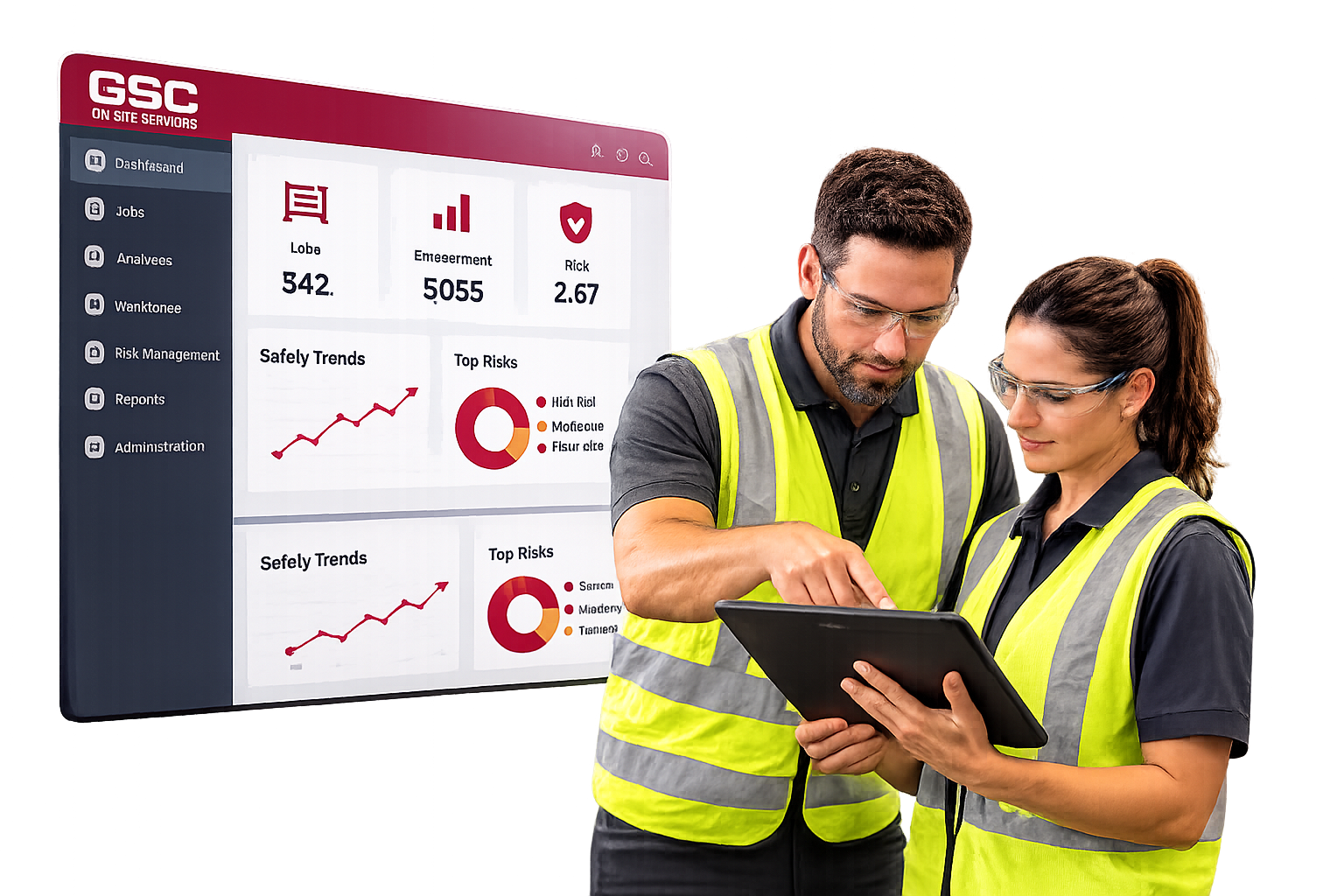
Access to objective, job-specific information also supports more consistent hiring, agility testing, reasonable accommodation, and return-to-work decisions. Rather than relying on scattered reports or time-consuming information gathering, HR, EHS, Safety, Operations, and Occupational Health teams can access reliable workforce information through one centralized resource.
This connected approach reduces administrative duplication while maximizing the value of existing workforce investments. With AI-assisted insights, risk identification, and trend analysis, organizations can prioritize improvements where they have the greatest potential to reduce costs, improve safety, and deliver meaningful operational results.
The Bottom Line: The GSC Workforce Management System™ turns job information into a strategic business asset—helping organizations make better decisions, use resources more effectively, and achieve stronger long-term workforce performance.
The GSC Workforce Management System™ helps organizations reduce costs, improve productivity, minimize risk, and make smarter, more defensible workforce decisions by transforming disconnected job information into actionable intelligence.
By identifying high-risk tasks, recurring hazards, and ergonomic exposures, organizations can take a more proactive approach to injury prevention, helping reduce workers' compensation costs, lost workdays, and operational disruptions. At the same time, greater visibility into physical job demands and work processes creates opportunities to improve efficiency, reduce employee strain, and strengthen workforce performance.
From Job Data to Actionable Intelligence
Find the Information. Understand the Risk. Make the Decision.

Having job information is valuable. Knowing how to use it to make better workforce decisions is where the real business value begins.
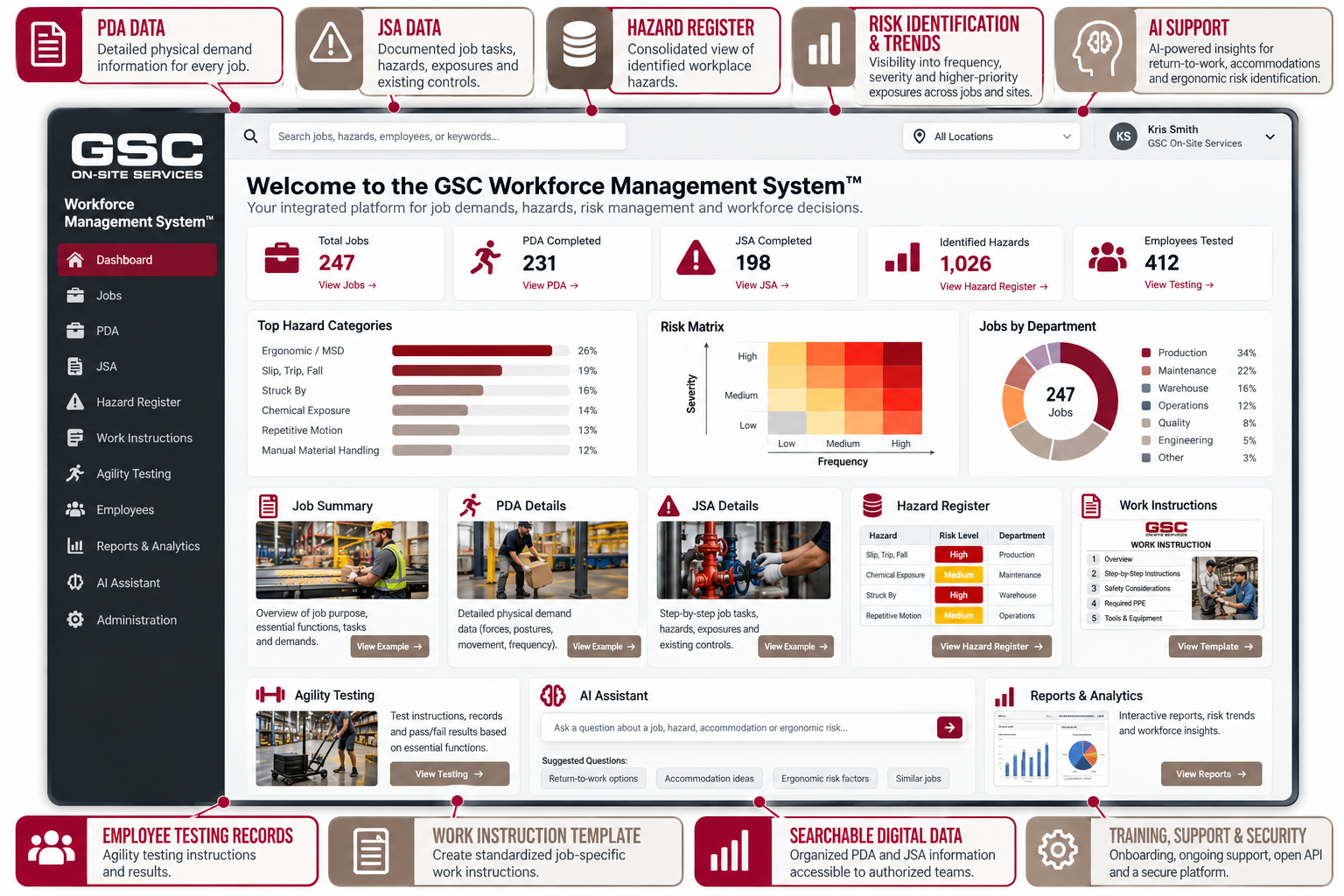
The GSC Workforce Management System™ moves beyond static reports and disconnected databases by combining physical job demands, essential functions, workplace hazards, ergonomic risks, and testing information into one searchable resource.
With AI-assisted search and analysis, your teams can quickly access the information they need to evaluate employee work restrictions, explore reasonable accommodations, identify recurring hazards, prioritize ergonomic improvements, and support more informed hiring and return-to-work decisions.
Instead of spending valuable time searching for reports or comparing information across multiple sources, your organization can focus on identifying solutions, reducing risk, and improving workforce performance.
Less Searching. More Understanding. Faster Decisions.
One System. Every Department. Better Decisions.
Connected Workforce Intelligence That Works Across Your Organization.
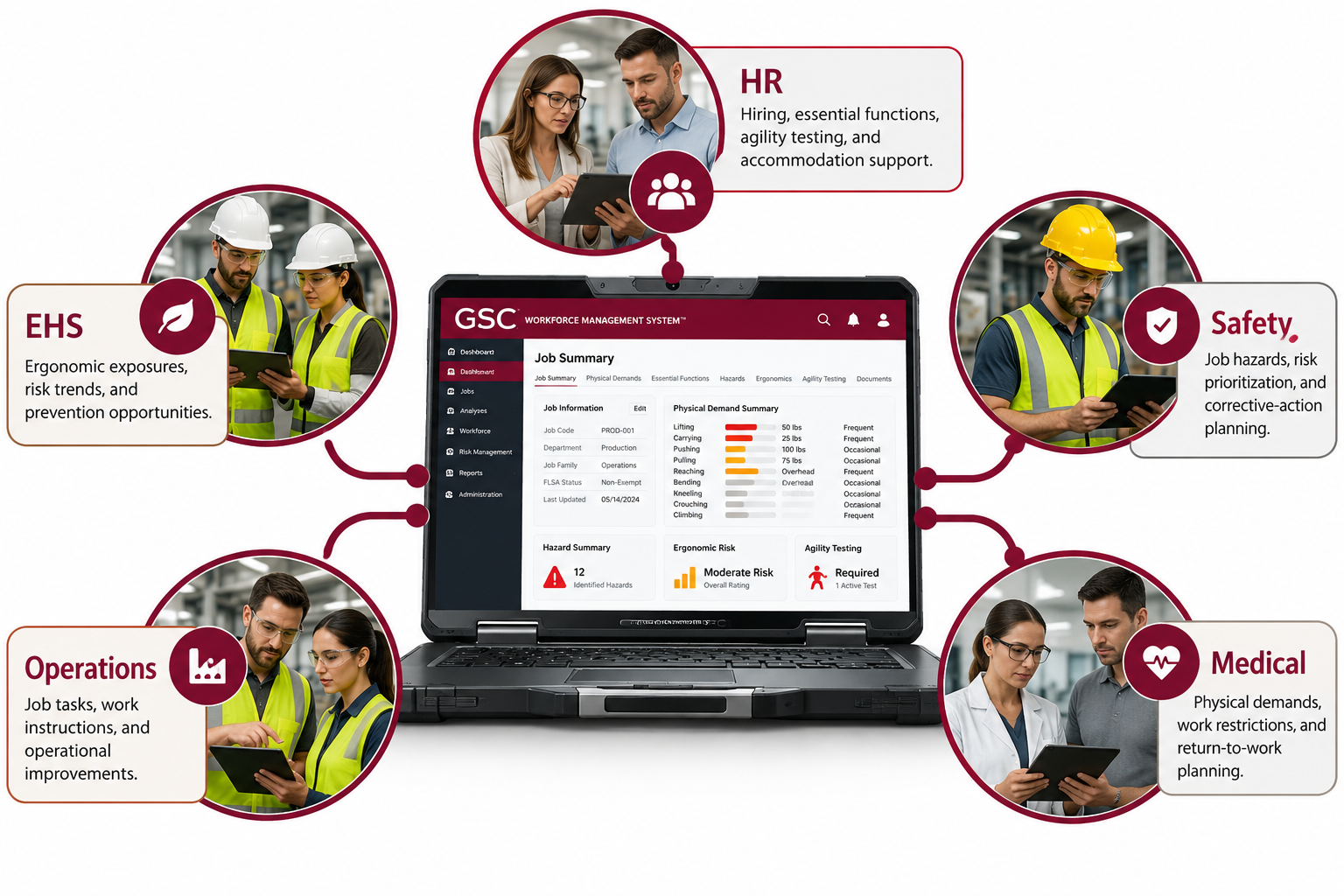
The GSC Workforce Management System™ brings job demands, workplace hazards, essential functions, ergonomic risks, and testing information together in one centralized resource. Instead of working from disconnected reports, every department can access consistent, objective job information to support its responsibilities, improve collaboration, and make more informed decisions.
-
Hire Smarter. Support Employees. Make Defensible Decisions.
Access essential job functions and physical demands to support job-related agility testing, reasonable accommodation evaluations, and consistent hiring and return-to-work decisions.
-
Identify Risks. Target Prevention. Measure Improvement.
Use ergonomic exposure information, job hazards, and risk trends to identify prevention opportunities, prioritize interventions, and support workplace health and safety initiatives.
-
Understand Hazards. Prioritize Action. Reduce Exposure.
Access job-specific hazards, risk assessments, and recommended controls to support safety planning, corrective actions, and targeted risk-reduction strategies.
-
Improve Processes. Reduce Disruptions. Optimize Performance.
Understand physical job requirements, work processes, and task-specific demands to identify operational improvements, support work instructions, and improve workforce efficiency.
-
Match Capabilities to Job Demands. Support Safer Returns.
Use objective physical demand information and essential job functions to evaluate work restrictions, identify potential modified-duty opportunities, and support informed return-to-work planning.
GSC Workforce Management System™ Licensing
One License. Connected Workforce Intelligence. Ongoing Business Value.
The GSC Workforce Management System™ provides more than access to digital job records. Licensing connects Physical Demand Analyses, Job Safety Analyses, and Pre-Employment/Post-Offer Agility Testing information within one centralized platform—giving authorized teams the tools and intelligence to make smarter workforce decisions.
With AI-assisted capabilities, searchable job information, and ongoing access to workforce data, organizations can improve efficiency, reduce administrative demands, identify risks, and maximize the value of their existing job analyses.
Rather than allowing valuable job analyses and safety information to become static reports, GSC licensing transforms that information into a continuously accessible workforce resource.
As jobs change, hazards evolve, and workforce needs shift, your organization can maintain, access, and leverage its information to support injury prevention, hiring, accommodations, return-to-work planning, and operational improvements.
Your Questions, Answered.
-
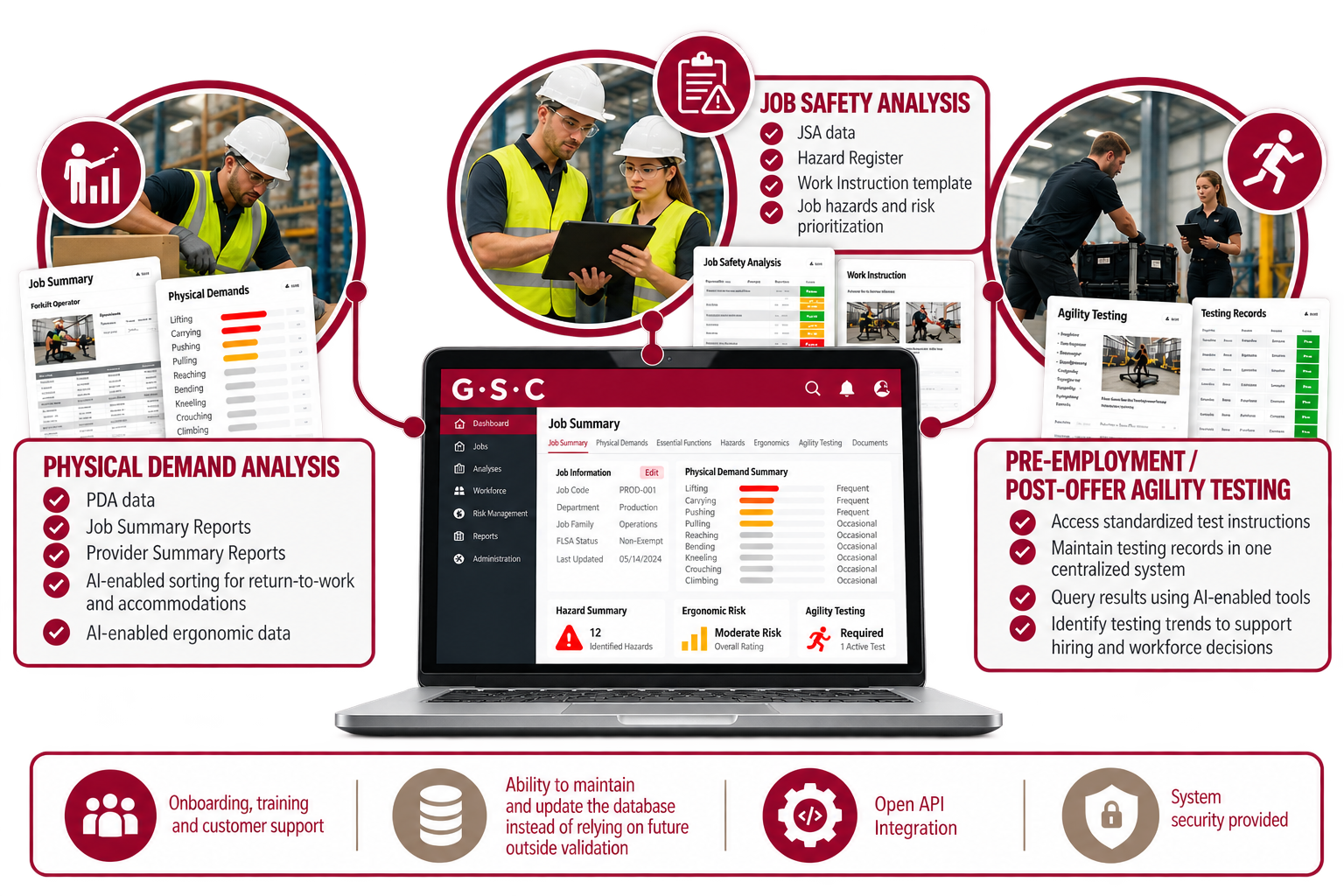
Licensing provides access to three connected workforce solutions:
Physical Demand Analysis (PDA): Physical demand data, Job Summary Reports, Provider Summary Reports, and AI-assisted tools for ergonomic information, return-to-work planning, and accommodations.
Job Safety Analysis (JSA): JSA data, a centralized Hazard Register, and Work Instruction templates.
Pre-Employment/Post-Offer Agility Testing: Standardized test instructions, centralized testing records, AI-assisted queries, and testing trend identification.
Licensing also includes onboarding, training, customer support, database maintenance capabilities, open API integration capabilities, and system security.
-
AI-assisted capabilities help users quickly locate relevant job information, analyze physical demands, identify recurring hazards, explore potential accommodation options, and recognize workforce trends. This reduces time spent searching through reports and helps teams make faster, more informed decisions. AI supports professional judgment rather than replacing it.
-
By connecting job demands, ergonomic exposures, and workplace hazards, the system helps organizations identify potential risks earlier and prioritize targeted prevention efforts. Better access to job information can also reduce administrative duplication, improve coordination, and support operational changes that may reduce injury-related costs and productivity losses.
-
The platform supports multiple departments, including Human Resources, Environmental Health & Safety, Safety, Operations, Occupational Health/Medical, and organizational leadership. Each department can use the same connected job information to support its responsibilities while improving collaboration and consistency.
-
Yes. The GSC Workforce Management System™ can organize workforce information across multiple facilities, departments, and job classifications, helping organizations maintain consistent job information and support workforce decisions across their operations.
-
Yes. Authorized users can maintain and update information within the system as job tasks, equipment, processes, and workplace conditions change. This helps organizations keep their workforce information current and reduces reliance on repeated outside validation for routine updates. Significant job changes may still require additional professional review or validation.
-
The platform offers open API integration capabilities, creating opportunities to connect workforce information with other organizational systems. Specific integrations depend on the customer's existing technology, requirements, and technical compatibility.
-
The system includes security capabilities designed to protect workforce information and manage access for authorized users. Specific security requirements, permissions, and data-handling needs can be reviewed during implementation planning.
-
The system is available through subscription-based user licensing. Organizations can determine the number of authorized users needed based on their departments, facilities, and workforce management objectives. GSC works with each customer to identify an appropriate licensing and implementation approach.
-
Not necessarily. Organizations with existing job analyses can discuss how those records may be incorporated into the system, while those without current information can work with GSC to develop the foundational job data needed. Existing records may require review or validation before use.
-
Traditional databases primarily store information. The GSC Workforce Management System™ connects job demands, safety hazards, ergonomic risks, essential functions, and testing information with AI-assisted search and analysis capabilities.
Combined with GSC's 40+ years of injury prevention experience and proven job-analysis methodology, the system helps organizations move beyond storing reports to actively using workforce information to improve decisions, reduce risk, and support business performance.